The battle for attention in digital gaming is intense bigbasscrash.eu. Developers often lean on dazzling visuals or nonstop promotion. However a new trend is taking shape. Real lasting success doesn’t come from a gimmick. It stems from a simple concept: put the player first. People call this a “Player First” approach. It means transparent guidelines, equitable play, and letting the community guide a game’s development, rather than going after short-term gains. The UK market, renowned for its knowledgeable gamers and tight oversight, shows this perfectly. Consider the Big Bass Crash title. Its growth wasn’t luck. It’s an obvious lesson. When a game’s design reflects what players really care about, it fosters a loyal fanbase. This alignment is reshaping expectations. It shows that in the modern digital world, the most intelligent approach is to make the player the priority.
The Strategic Simplicity That Empowers Players
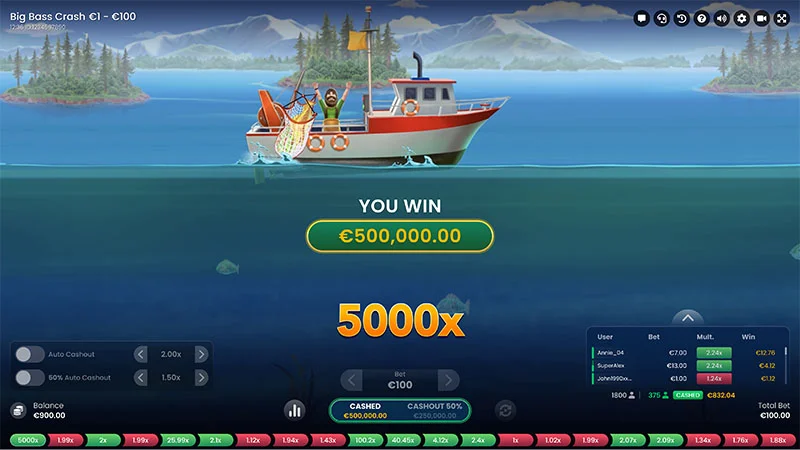
Big Bass Crash derives its appeal from a basic notion. This simplicity, strangely, leads to serious engagement. Gamers don’t need to commit to memory complex rules, icon tables, or lengthy payout tables. Everything comes down to a sole, critical move: hitting the “Cash Out” option before the multiplier crashes. This focused emphasis empowers the gamer. They individually are answerable for their selection, according to their own risk tolerance. It produces a palpable suspense, a straight connection between decision and result. This feeling of control is central to the User-Focused philosophy. By reducing the session to just one distinct, gamer-directed bet, the title values the gamer’s autonomy and discernment. A win seems like a personal triumph. A defeat seems like a understood chance, not a bewildering malfunction in the game.
The Way Big Bass Crash Reflects Core Player-Centric Values
Big Bass Crash turns its player-first rhetoric into action through targeted design decisions. The main game mechanic is a multiplier that rises a curve until a random “crash” occurs. In appearance, it’s simple. Players grasp the risk and reward right away. There are no hidden mini-games or confusing bonus features to muddy the waters. This clarity is paramount. The game also skips elaborate stories or complex leveling systems that might coerce players into longer sessions. Every round is a fresh start. The player chooses when to play and for how long. A clean, intuitive interface stays unobtrusive. The focus rests on that one strategic option: when to cash early. This design values the player’s intelligence. It offers a tool for fun, not a maze created to capture and keep attention.
Decoding the “Player-Centric” Mindset in iGaming
“Player-Centric” is more than a tagline. It’s a blueprint that molds a game from the ground up. It affects how the product functions, how the creators interact with customers, and how it evolves over time. The old approach treated customers as consumers. The new model sees them as allies. This collaboration calls for fair design, not gimmicks that prey on behavior. It needs explicit, upfront information on any funds spent. And it involves listening when customers give opinions. In places like the UK, with strong consumer safeguards, this mindset aligns naturally with both the law and the local norms. For a title like Big Bass Crash, it’s about building confidence through reliable mechanics. The thrill should stem from the game itself, not from concealed odds or a pressure to keep playing. The effect is a more sustainable setting that serves everyone.
Establishing a Network Around Collective Moments
The journey of Big Bass Crash transcends a single player’s screen. It builds a Player First world by creating shared moments, which are key for a game’s lifespan. The format is social by nature. Multiple players experience the same climbing multiplier curve, experiencing the collective buzz as the numbers rise. This inherently sparks conversation. People exchange tactics and celebrate or sigh over a crash together. Online platforms and live streams boost this effect, transforming a solo game into a group spectacle. Developers and the sites offering the game often foster this. They showcase major wins and make space for players to interact. This community work alters the game. It stops being just software and becomes a social spot. The value isn’t only in a potential payout, but in joining a group’s exciting moment.
Clarity and Equity as Essential Pillars
UK gamblers, influenced by strict rules from the UK Gambling Commission, do not consider transparency as a extra. They see it as a necessity. Big Bass Crash fulfills this expectation head-on. The unpredictability of each crash is verifiable and protected. The product typically utilizes certified Random Number Generator (RNG) frameworks that face regular reviews. It does not assert to be a proficiency game where it fails. Rather, it offers itself truthfully as a game of probability with one clear instance of planning. This integrity fosters a reputation. Users can participate knowing the platform’s integrity is a priority, which is a foundation of responsible play. The reverse tactic—a feeling that results are fudged or vague—erodes trust rapidly. It is a pitfall the title’s designers meticulously avoid.
Ethical Gaming Integration in Design
A genuine Player First philosophy must actively support ethical play. Here, the entire structure of Big Bass Crash includes integrated safeguards. The product is built on brief, distinct rounds. This generates natural stopping points, unlike the endless, automatic-pilot loops of some slots. Trustworthy UK platforms complement this by including mandatory tools like deposit limits, session timers, and direct links to support services such as GamStop and GamCare. The game’s simple design also helps with personal insight. Because the main action is a one-time, thoughtful cash-out decision, gamblers might become more conscious of their spending compared to the quick, machine-driven play of different genres. This design shows that safe play can be part of the game’s core, not just a footnote in the fine print.
Gaming’s Future: An Enduring Transition Towards the Player
The positive response for Big Bass Crash’s philosophy in places like the UK hints at a larger, permanent change for the sector. As gamers become more informed and governing bodies enforce stricter regulations, the economic argument for shady or greedy design weakens. The road ahead leads to games designed for sustainable engagement, where reliability and entertainment are the key methods for engaging players. We can expect to see more advancement in clear mechanics, improved social and community features, and even more seamless integration of safe gaming features within the game itself. Games that adopt the Player First blueprint, emphasizing long-term community over short-term gain, are ready to define this next era. They show a core principle. The optimal way to build a successful game is to genuinely respect the thinking, freedom, and welfare of the user using the device.
What makes the UK Market remains Especially Receptive

The UK’s online gaming scene is among the most developed and tightly regulated anywhere. This has created a gambling audience that is both highly safeguarded and extremely choosy. Decades of regulatory changes have taught players about their entitlements and what equitable, ethical design entails. They are fast to leave games that feel exploitative or lack openness. Big Bass Crash, with its clear mechanics, concentration on controlled choices, and seamless integration with safe gambling tools, slots right into this ecosystem. It meets compliance requirements not as a administrative burden, but as a fundamental design goal. Its growing popularity shows a market selecting a preference. Players are selecting a product that reflects their principles. They prefer direct, entertaining, and respectfully made games over those that depend solely on showy tricks or addictive cycles.
Side-by-Side Comparison: Player-Centric vs. Traditional Models
Pitting the Player First model versus older game designs demonstrates why it’s gaining traction. Many traditional games, particularly in the online casino industry, use strategies aimed at keep players glued to the screen and spending non-stop, occasionally without their full consciousness.
- Intricacy vs. Straightforwardness: Classic slot machines might offer complicated bonus games and dozens of paylines that are hard to follow. Big Bass Crash presents one straightforward mechanic.
- Control: Games with auto-play and quick-spin options can make the player a passive observer. Big Bass Crash demands a deliberate, conscious selection for every single result.
- Openness: Some games obscure their Return to Player (RTP) percentages or exhibit extreme variance. The crash game model offers an immediately understandable, though unpredictable, risk curve.
- Togetherness: Plenty of games are lonely pursuits. The crash format naturally builds a shared, live session.